

Finding warehouse worker jobs in USA with visa sponsorship is a realistic goal for many foreign workers in 2026. American warehouses, fulfilment centres and distribution hubs move millions of parcels every day, and employers in many states still struggle to hire enough local staff.
That shortage is why some US companies look abroad. When an employer cannot fill roles locally, it may sponsor a foreign worker through a legal visa route, most often the H-2B programme for temporary work or the EB-3 category for longer-term jobs.
This guide explains the duties, pay, visa options, requirements and application steps in plain language. You can also browse more openings in our Jobs in USA category before you start applying.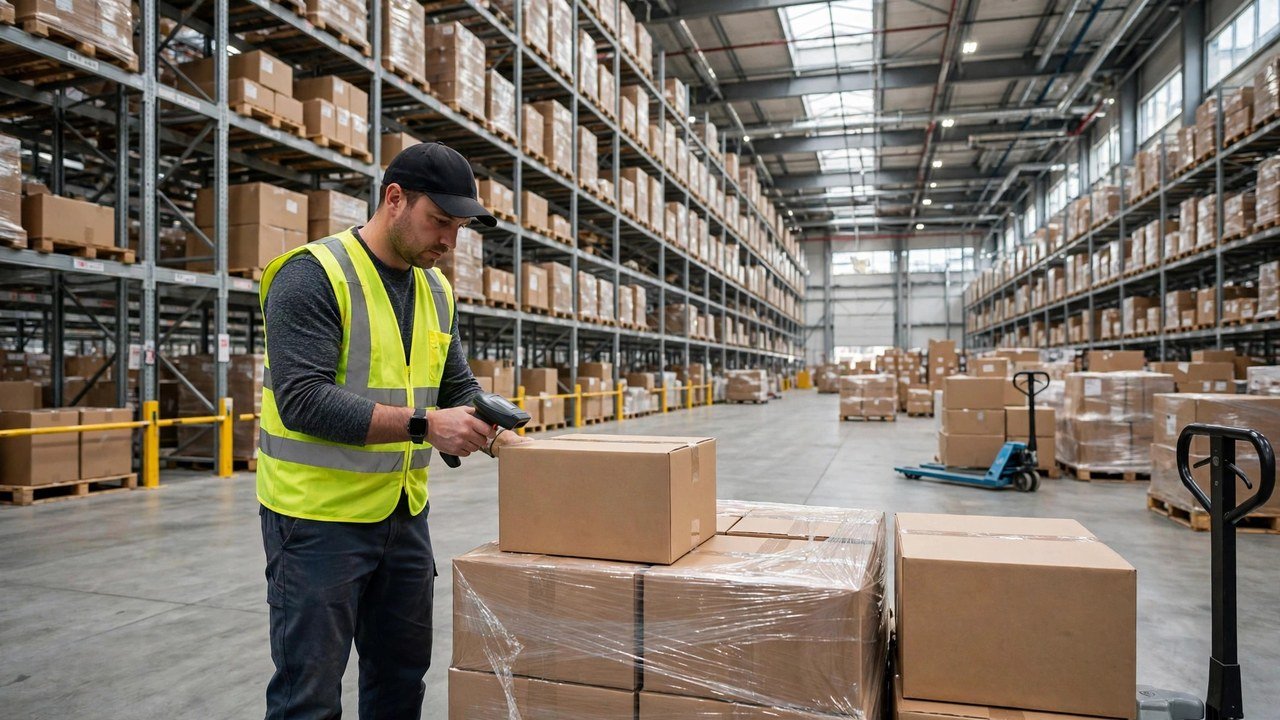
Warehouse Worker Jobs in USA with Visa Sponsorship: Job Overview
| Job title | Warehouse Worker / Warehouse Associate |
| Country | United States of America |
| Industry | Logistics, warehousing, e-commerce fulfilment, distribution |
| Employment types | Full-time, part-time, temporary and seasonal roles |
| Shifts | Day, evening and night shifts, including weekends |
| Experience | Entry-level roles available; experience is an advantage |
| Education | High school diploma preferred, often not required |
| Main visa routes | H-2B (temporary) and EB-3 (employment-based) |
| Who can apply | Foreign workers with a genuine sponsored job offer and work authorisation |
Warehouse workers keep the supply chain moving. They receive goods, store them in the right place, pick items for customer orders, pack them safely and load them onto trucks. Large online retailers, supermarket chains, manufacturers and third-party logistics (3PL) companies all depend on these teams.
Most roles are physically active rather than desk-based. If you are comfortable standing, walking and lifting throughout a shift, this is one of the most accessible entry points into the US job market for foreign workers.
Why Warehouse Workers Are in Demand
The biggest driver is e-commerce. Online shopping keeps growing year after year, and every order has to be picked, packed and shipped by a real person. Retailers have responded by opening huge fulfilment centres near major cities, and each new facility needs hundreds of workers.
The wider logistics industry is expanding at the same time. Ports, freight companies and distribution networks now operate around the clock, which creates steady demand for night and weekend staff as well as daytime teams.
Seasonal shortages add to the pressure. In the months before major holidays, order volumes jump sharply and warehouses cannot keep up with local hiring alone. Retirements and high staff turnover in entry-level roles mean vacancies appear all year round, not just in peak season.
For foreign job seekers, this combination matters. Persistent shortages are exactly the situation in which employers are most willing to consider sponsored workers, because sponsorship involves extra cost, paperwork and legal duties for the company.
Job Responsibilities
Daily tasks vary by employer, but most warehouse worker roles include the following:
- Receiving shipments: unloading deliveries, checking quantities against paperwork and reporting damaged goods.
- Picking orders: locating products on shelves using pick lists, handheld scanners or voice headsets.
- Packing and labelling: boxing items securely, sealing parcels and printing correct shipping labels.
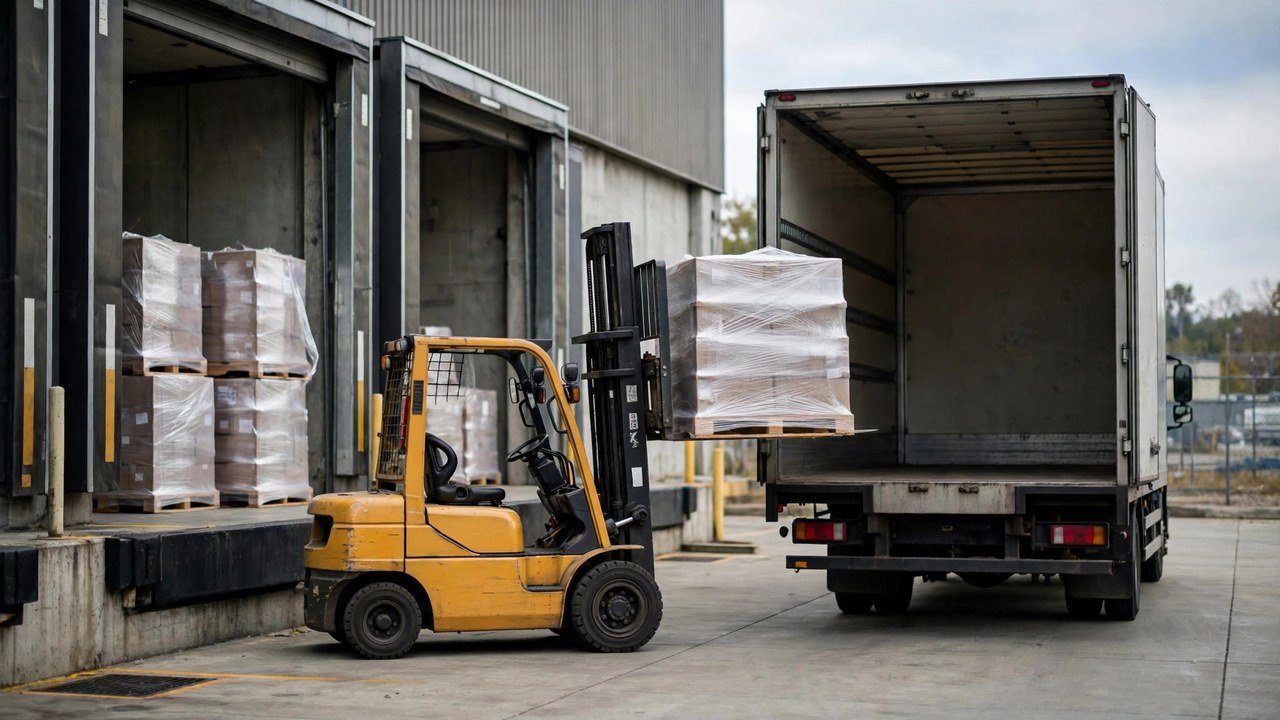
- Loading and unloading: moving pallets and loading finished orders onto trucks, sometimes with pallet jacks or forklifts.
- Inventory work: counting stock, recording movements and helping with regular stock checks.
- Safety and housekeeping: following safety rules, wearing protective equipment and keeping aisles and work areas clean.
Technology is part of the job. Most modern warehouses use barcode scanners, warehouse software and sometimes automated conveyor or sorting systems, so basic computer confidence helps from day one.
Salary for Warehouse Workers in the USA
Pay depends on the state, the employer, the shift pattern and your experience. Night shifts, weekend work and overtime usually pay more than standard daytime hours, and forklift-certified workers often earn at the higher end of the range.
| Pay period | Typical range (USD) |
|---|---|
| Per hour | $16 – $28 |
| Per month | ~$2,700 – $4,800 |
| Per year | ~$34,000 – $58,000+ |
Pay is only part of the package. Many larger employers also offer:
- Health, dental and vision insurance for eligible full-time staff
- Paid time off, including vacation days, sick leave and public holidays
- Overtime pay for extra hours and busy peak periods
- Retirement savings plans, sometimes with employer contributions
- Staff discounts on company products
- Free safety training and paid forklift certification with some employers
- A clear promotion ladder, from team leader to shift supervisor and on to warehouse or logistics manager
Visa Options for Warehouse Worker Jobs in USA with Visa Sponsorship
There is no special “warehouse visa”. A foreign worker needs an employer who is willing and legally able to sponsor them under an existing US visa category. The two routes most relevant to warehouse roles are explained below, and you can compare more routes in our Visa Sponsorship guides.
H-2B Temporary Non-Agricultural Visa
The H-2B programme is the main route employers use for warehouse roles. It allows US companies to hire foreign workers for temporary non-agricultural jobs when they face seasonal demand, a peak workload, an intermittent need or a one-time occurrence.
Warehouse work often fits the seasonal and peak-load patterns, for example before the holiday shopping season. The employer must first show that qualified US workers are not available for the job, obtain a temporary labour certification, and then file a petition for the worker. H-2B places are capped each year and demand is high, so employers plan these hires months in advance.
EB-3 Employment-Based Visa
The EB-3 category is an employment-based immigrant route that can lead to permanent residence. It covers skilled workers, professionals and “other workers” in roles that require less than two years of training, which is the sub-category most warehouse positions fall into.
For EB-3, the employer must complete a permanent labour certification process and file an immigrant petition. Processing can take a long time because of annual limits and backlogs, but for workers who qualify it offers a more permanent future in the USA than a temporary visa.
Other Employer-Sponsored Categories
Depending on the employer and the worker’s background, other employer-sponsored categories occasionally apply, for example transfers within multinational companies or roles that need specialised skills. These are less common for standard warehouse jobs, but a large logistics group may have options that a small warehouse does not.
One honest warning applies to every route: only some employers sponsor, and only when the legal conditions are met. Sponsorship is never automatic, and no genuine employer or agent can guarantee you a visa.
Requirements & Skills
Most employers look for the following:
- Work authorisation: a valid route to work legally in the USA, normally through employer sponsorship.
- Education: a high school diploma or equivalent is preferred, but many entry-level employers waive this requirement.
- Physical fitness: the stamina to stand and walk for a full shift and to lift boxes repeatedly, often up to around 20–25 kg.
- Basic English: enough to understand safety instructions, read labels and communicate with supervisors.
- Reliability: good attendance and punctuality matter a lot in shift-based work.
- Teamwork and accuracy: picking and packing errors are costly, so attention to detail is valued.
Extra certificates can move your application up the list. The most useful ones are a forklift operator licence, OSHA workplace safety training, and First Aid or CPR certification. Previous experience in warehousing, retail stockrooms, delivery or manufacturing also helps, even if it was in your home country.
Top States for Warehouse Jobs
Warehouse jobs exist across the USA, but hiring is concentrated around large population centres and transport hubs:
- Texas: Dallas, Houston, Austin, San Antonio and Fort Worth host huge distribution networks.
- California: Los Angeles, San Diego, Riverside, Sacramento and Fresno, driven by ports and e-commerce.
- Illinois: Chicago is one of the country’s biggest freight and logistics crossroads.
- Georgia: Atlanta is a major south-eastern distribution hub with an international cargo airport.
- Florida: Miami, Orlando, Tampa and Jacksonville serve retail, imports and cruise supply chains.
- Pennsylvania: Philadelphia, Allentown and Harrisburg sit within a day’s drive of millions of customers.
Living costs differ widely between these states, so compare rent and transport costs in the specific city before accepting an offer, not just the hourly wage.
How to Apply
- Prepare a clear resume. Highlight any warehouse, logistics, retail, delivery or factory experience, plus physical work, scanner use and certificates. Keep it to one or two pages.
- Write a short cover letter. Explain why you want the role, state your shift flexibility honestly, and mention your willingness to relocate.
- Search for genuine employers. Apply through the careers pages of logistics companies, large retailers, manufacturers and 3PL providers, and through reputable job boards that clearly state whether foreign workers are considered.
- Attend the interview. Employers usually ask about your experience, physical ability, attitude to safety and availability for nights or weekends. Answer honestly and ask clear questions about sponsorship support.
- Complete the hiring process. If you are selected, provide the ID, background and medical documents requested, and follow the employer’s instructions for the visa petition. Keep copies of everything.
Tips to Get Hired
- Get certified: a forklift licence or OSHA safety course makes you useful from the first week.
- Show shift flexibility: night and weekend availability is often the deciding factor between two similar candidates.
- Improve your English: even basic spoken English for safety and teamwork raises your chances.
- Tailor every application: match your resume to the exact duties in each job advert instead of sending one generic version.
- Be patient with sponsorship roles: sponsored vacancies are fewer than local ones, so apply consistently over several weeks.
- Protect yourself from scams: never pay large upfront fees, and treat any promise of a “guaranteed visa” as a red flag. Genuine employers do not sell visas.
Frequently Asked Questions
Can foreigners apply for warehouse jobs in the USA?
Yes. Foreigners can apply, and many warehouses are open to international applicants. However, you can only start work with valid US work authorisation, which usually means an employer must sponsor your visa petition first.
Do all warehouse companies offer visa sponsorship?
No. Only some employers sponsor, because sponsorship costs money and involves legal duties. Always check the job advert or ask the employer directly whether sponsorship is available for that specific role.
How much do warehouse workers earn in the USA?
Typical pay ranges from about $16 to $28 per hour, as shown in the salary table above. Overtime, night shifts and forklift duties can push earnings higher, and pay varies by state and employer.
Do I need previous warehouse experience?
Not always. Many entry-level roles provide full training, and experience in retail, delivery, farming or factory work is often accepted as relevant. Experience and certificates simply make your application stronger.
Is English required for warehouse jobs?
Basic English is normally expected. You need to understand safety instructions, read labels and talk to your supervisor and team. You do not need to be fluent, but improving your English before you apply is a real advantage.
Can a warehouse job lead to permanent residence in the USA?
It can, in some cases. Temporary routes such as H-2B do not lead directly to a green card, but an employer may later support an employment-based route such as EB-3, which can lead to permanent residence if all conditions are met and processing is completed.
How can I avoid warehouse job scams?
Apply only through official company websites and well-known job boards. Be suspicious of anyone who guarantees a visa, asks for large upfront payments, or contacts you only through social media messages. Verify the employer’s real name, address and website before sharing documents.
Conclusion
Warehouse worker jobs in USA with visa sponsorship offer a practical entry route for foreign workers who are fit, reliable and willing to work shifts. Demand from e-commerce and logistics is strong, pay is fair for entry-level work, and the H-2B and EB-3 routes give real, legal pathways when an employer is prepared to sponsor.
Start by preparing a focused resume, target employers and states with the most vacancies, and apply only through genuine channels. Sponsorship is competitive and never guaranteed, but organised, persistent applicants give themselves the best possible chance.
1 thought on “Warehouse Worker Jobs in USA with Visa Sponsorship 2026: Salary, H-2B & EB-3 Visas, Requirements & How to Apply”