

Factory jobs in Canada for foreign workers are one of the most realistic entry routes into the Canadian labour market in 2026. Manufacturing plants across the country keep hiring production and packaging staff, and many employers cannot fill these roles locally.
That shortage is exactly why some Canadian factories look abroad. When an employer can show that no local worker was available, foreign workers may be hired through an employer-supported work permit.
This guide explains the available roles, real salary ranges, how visa sponsorship actually works, what employers require, and the exact steps to apply safely.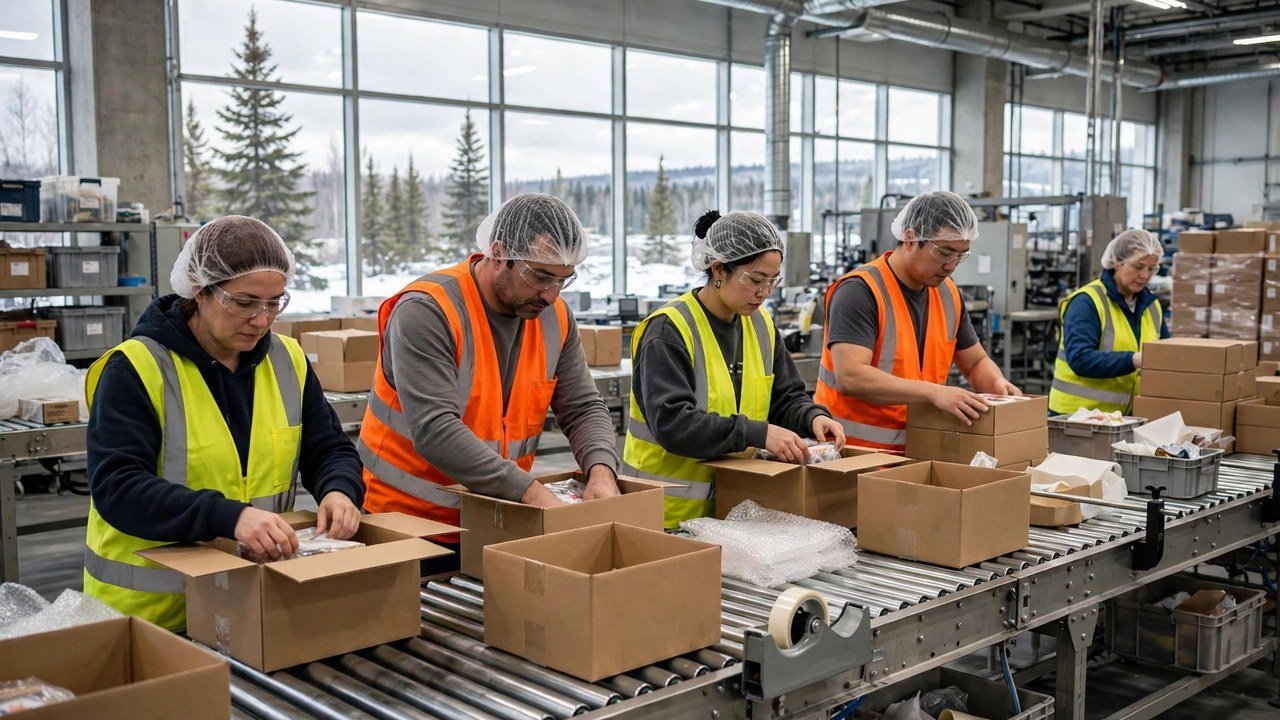
Job Overview: Factory Jobs in Canada for Foreign Workers
Factory work covers the people who make, assemble, inspect and pack the products Canada sells at home and exports worldwide. Most roles are full-time, based on the factory floor, and paid by the hour.
| Detail | Information |
|---|---|
| Job type | Full-time factory and manufacturing work |
| Main industries | Food processing, automotive, packaging, plastics, furniture, electronics |
| Hourly pay | CAD $17–$28 per hour |
| Working hours | 35–40 hours per week, plus possible overtime |
| Work permit route | Employer-supported permit, usually under the LMIA / TFWP process |
| Experience | Not required for many entry-level roles |
For more openings like these, browse the latest visa sponsorship jobs on VizaJobs.
Why Factory Workers Are in Demand in Canada
Canada’s manufacturing sector is growing, but its workforce is ageing. As experienced workers retire, factories are left with gaps on production lines that must be filled to keep output on schedule.
The pressure is strongest outside the biggest cities. Plants in smaller towns and regional areas often struggle to attract enough local staff, especially for evening, night and weekend shifts.
Food production adds another layer of demand. Canadians buy processed and packaged food in every season, so food plants hire steadily all year. The same steady demand exists in packaging, plastics and consumer goods, which is why factory jobs in Canada for foreign workers keep appearing.
Available Factory Positions
Titles vary between employers, but most vacancies fall into a small group of well-known roles. The table below shows what each job usually involves.
| Position | Main Duties |
|---|---|
| Production Worker | Helping run the production line, feeding materials and keeping output moving |
| Factory Labourer | General manual work, moving stock, loading and unloading materials |
| Packaging Worker | Packing, sealing and labelling finished products for shipment |
| Machine Operator | Running and monitoring factory machinery, reporting faults early |
| Assembly Line Worker | Putting parts together to specification at a steady pace |
| Food Processing Worker | Preparing, sorting and packing food products under hygiene rules |
| Warehouse Associate | Storing goods, preparing orders and keeping stock records |
| Quality Control Assistant | Checking products for defects and recording inspection results |
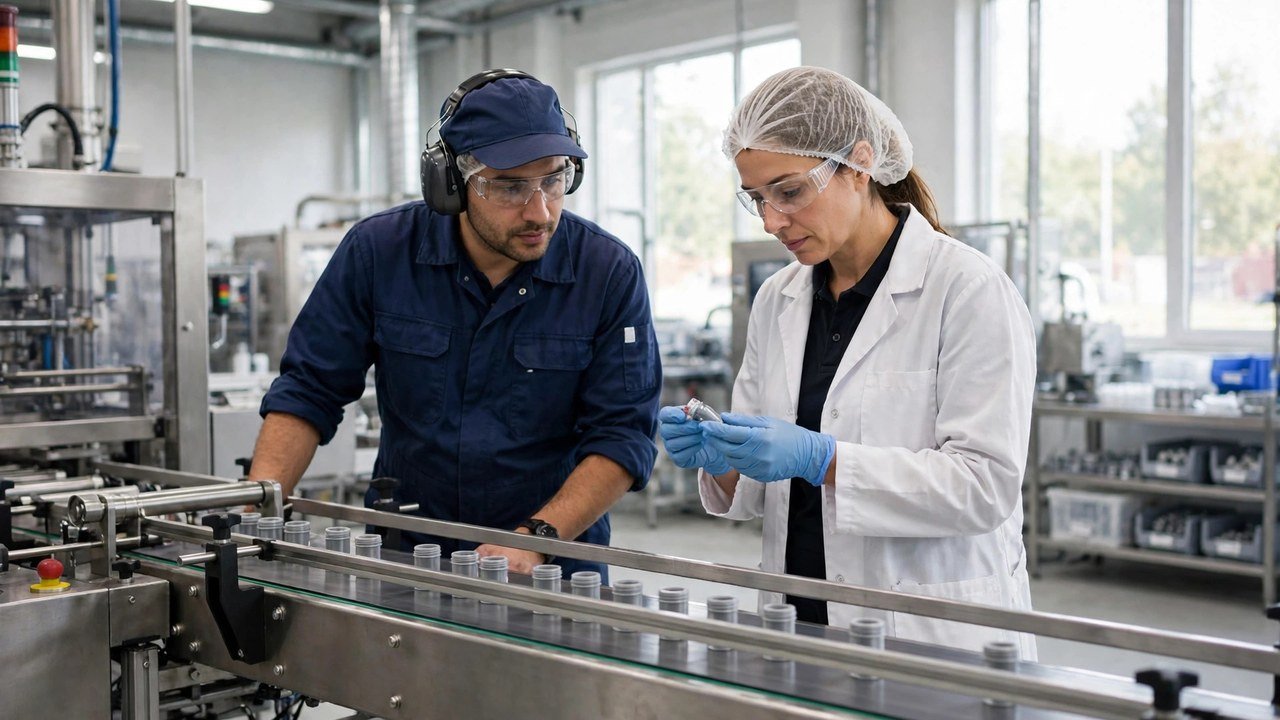
Daily work also includes cleaning your workstation, following safety rules at all times and helping the team reach its daily production target.
Salary Expectations for Factory Jobs in Canada
Pay depends on the province, the industry and your experience. Entry-level workers usually start near the bottom of the range, while skilled machine operators and shift leaders earn more.
| Pay Period | Typical Earnings (CAD) |
|---|---|
| Per hour | $17 – $28 |
| Per month | About $2,800 – $4,700 |
| Per year | About $35,000 – $58,000 |
Most factory staff work 35–40 hours per week. Overtime is common in busy periods and is paid according to provincial labour rules, so total earnings can rise above the figures above. Some employers in remote areas also help new workers find housing.
Visa Sponsorship and Work Permits for Factory Jobs in Canada
Foreign workers cannot simply arrive and start work. You need a valid work permit, and for most factory roles that permit is employer-supported.
The usual route works like this. A Canadian employer who cannot hire locally applies for a Labour Market Impact Assessment (LMIA) under the Temporary Foreign Worker Program (TFWP). The employer must first show that genuine efforts to hire Canadians or permanent residents did not succeed. If the LMIA is approved, the employer gives you a job offer and the LMIA document, and you use them to apply for your work permit.
Be clear about one thing: not every factory sponsors foreign workers. Only employers with an approved LMIA and a real vacancy can support your permit, so always check the sponsorship situation before you rely on a job advert. Sponsorship is a legal process run by the employer and the government — no agent can guarantee it.
The good news is that factory work can also be a first step toward staying in Canada long term. Workers who gain Canadian experience may later qualify for permanent residence through federal or provincial immigration programs, depending on their profile and the rules at the time.
You can compare this route with other openings in our guide to jobs in Canada with visa sponsorship.
Requirements for Factory Jobs in Canada for Foreign Workers
Most entry-level factory roles are open to workers without formal qualifications, but employers do look for a few basics:
- Physical fitness: the work involves standing for long periods, lifting, bending and repetitive tasks.
- Basic English or French: enough to understand instructions, labels and safety warnings.
- Safety mindset: willingness to follow protective equipment rules and factory safety procedures.
- Shift flexibility: many plants run day, evening and night shifts, plus weekends and overtime.
- Reliability: good attendance and punctuality matter a lot on a production line.
- Teamwork: production targets are met by the whole line, not by one person.
Specialised roles, such as machine operation, may ask for past experience or certificates. For general labour and packaging roles, employers usually provide on-the-job training.
Benefits of Working in a Canadian Factory
Factory jobs in Canada for foreign workers often come with more than just an hourly wage. Depending on the employer, benefits can include:
- Paid overtime and shift premiums
- Paid annual vacation
- Health and dental coverage for eligible full-time staff
- Safety training and protective equipment provided
- Skills training and promotion into senior or supervisory roles
- Retirement savings plans with some employers
How to Apply for Factory Jobs in Canada
Follow these steps to give yourself the best chance:
- Prepare a Canadian-style resume. Highlight any manufacturing, warehouse, food handling or physical work experience, even from informal jobs.
- Search genuine vacancies. Use reputable Canadian job portals, licensed recruiters and the career pages of large manufacturers.
- Check sponsorship before applying. Look for adverts that mention LMIA support or openness to foreign workers, and ask the employer directly if it is unclear.
- Apply with a tailored application. Match your resume to the duties in the advert and mention your shift availability.
- Attend the interview. Employers often test basic language skills, physical readiness and attitude toward safety.
- Complete the work permit process. If you receive an offer with LMIA support, submit your work permit application with the job offer and LMIA documents, then wait for the official decision before travelling.
Frequently Asked Questions
Can foreigners apply for factory jobs in Canada?
Yes. Foreigners can apply for advertised factory vacancies, especially where employers face local shortages. However, you can only start work after receiving a valid Canadian work permit, which usually needs an employer-supported LMIA.
Do I need previous factory experience?
Not for most entry-level roles. Production, packaging and general labour jobs usually include on-the-job training. Experience helps for machine operator and quality control roles and can lead to higher pay.
Do all factory jobs in Canada offer visa sponsorship?
No. Only some employers hold an approved LMIA and can support a foreign worker’s permit. Always confirm sponsorship with the employer before assuming a job is open to overseas applicants.
What is the typical work schedule?
Most factory workers work 35–40 hours per week full-time. Many plants run rotating shifts, including nights and weekends, and overtime is common during busy production periods.
Can factory work lead to permanent residence in Canada?
It can. Canadian work experience may help you qualify later for permanent residence through federal or provincial immigration programs. Eligibility depends on your occupation, language scores, experience and the program rules in place when you apply.
How can I avoid job scams?
Never pay anyone who promises a guaranteed job, LMIA or visa — real employers do not sell job offers. Apply through official company pages and trusted job portals, check the employer’s real identity, and keep your passport and money until the government issues your permit.
Conclusion
Factory jobs in Canada for foreign workers offer a practical way into the Canadian workforce: steady demand, fair hourly pay of CAD $17–28, and a clear, legal work permit route when an employer genuinely supports your application.
Focus on real vacancies, confirm LMIA sponsorship in writing, and prepare a strong resume. The opportunity is real — as long as you follow the official process and never pay for promises.